


The financial markets are constantly evolving, and we take pride
in always being part of these transformations. Evolving with
the market is our tradition. That's why one of our most solid assets
is our legacy, which fosters results in the present and future,
generating value across generations.

In the wake of the Industrial Revolution, the global economy was reshaped in the 19th century. Financial institutions evolved from mere depositaries to active players in currency trading, precious metals, and project financing.
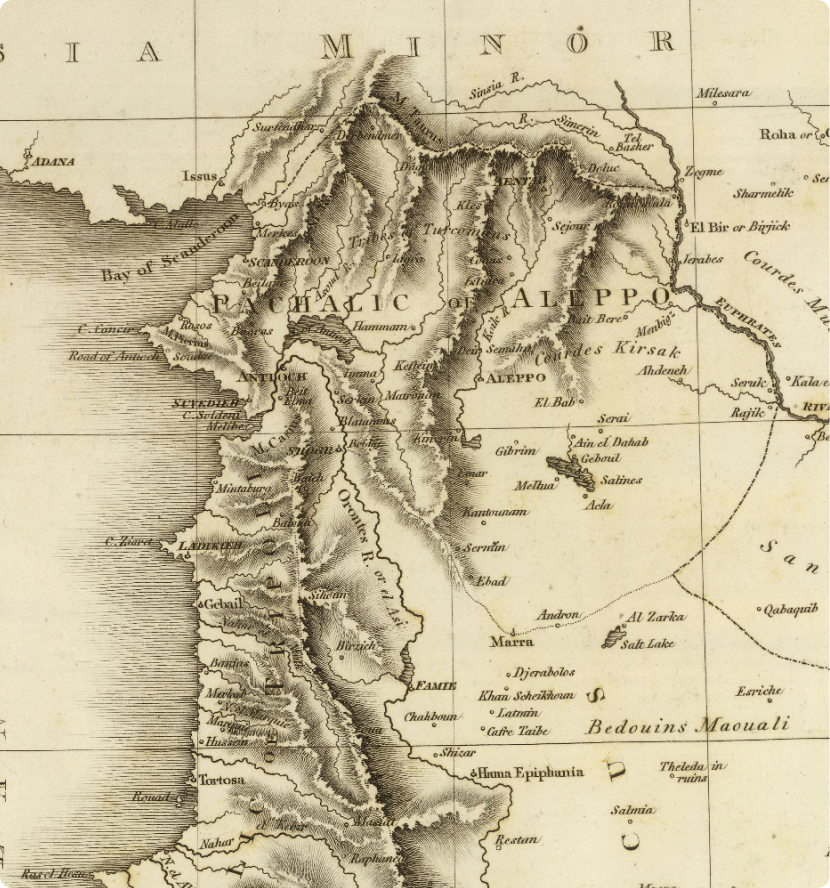
Within this context, the Safra family laid the foundations of the contemporary financial system in the Middle East, supporting infrastructure and trade between nations. The city of Aleppo, home to the family, was a major commercial hub in the Mediterranean. Cosmopolitan by nature, the Safras financed caravans and traded currencies, silver, and gold. Their surname became synonymous with the color of the precious metal: Safra.
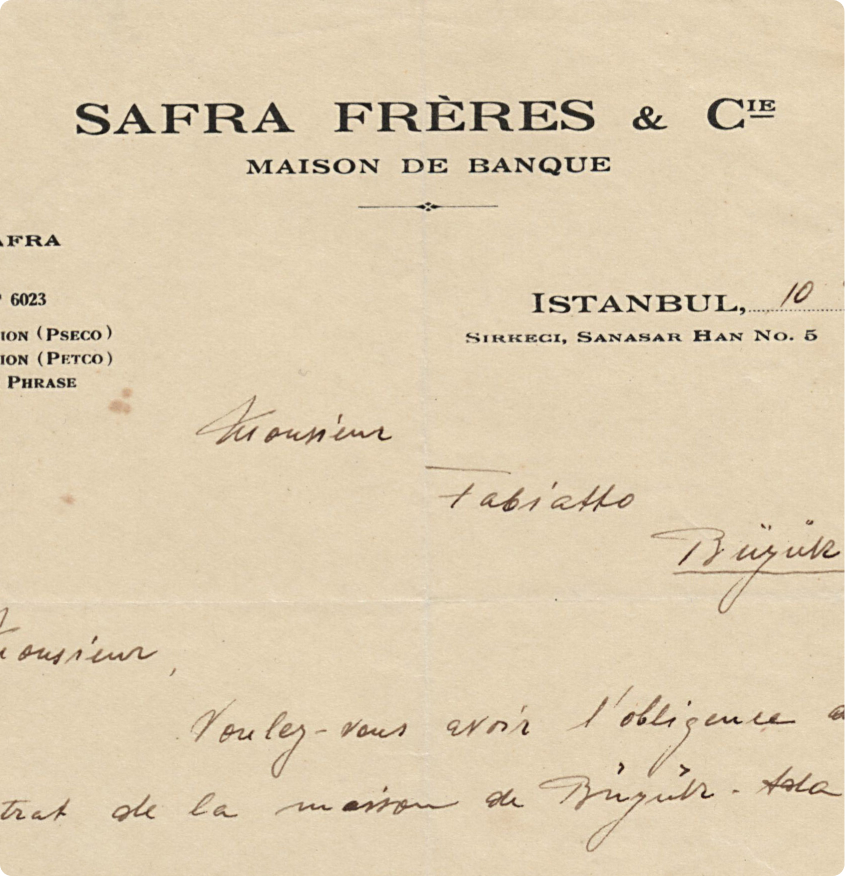
In 1840, they founded Safra Frères Et Cie, headquartered in Aleppo with offices in Istanbul and Alexandria. Among the partners were Ezra and Elie Safra, father of Jacob, born in 1891. Exceptionally talented, Jacob stood out for his ability to calculate currency conversions. After his father’s passing, he was taken in by his uncle Ezra, who prepared him to lead the business.

Following the collapse of the Ottoman Empire, Jacob opened a branch in Beirut and, in 1920, founded Jacob E. Safra Bank, which quickly prospered. There, he raised his family, including future financiers Edmond, Moise, and Joseph Safra.
The creation of the State of Israel and subsequent conflicts led Jacob to Latin America. In 1952, he settled in São Paulo, a thriving city with a large Syrian-Lebanese Jewish community.
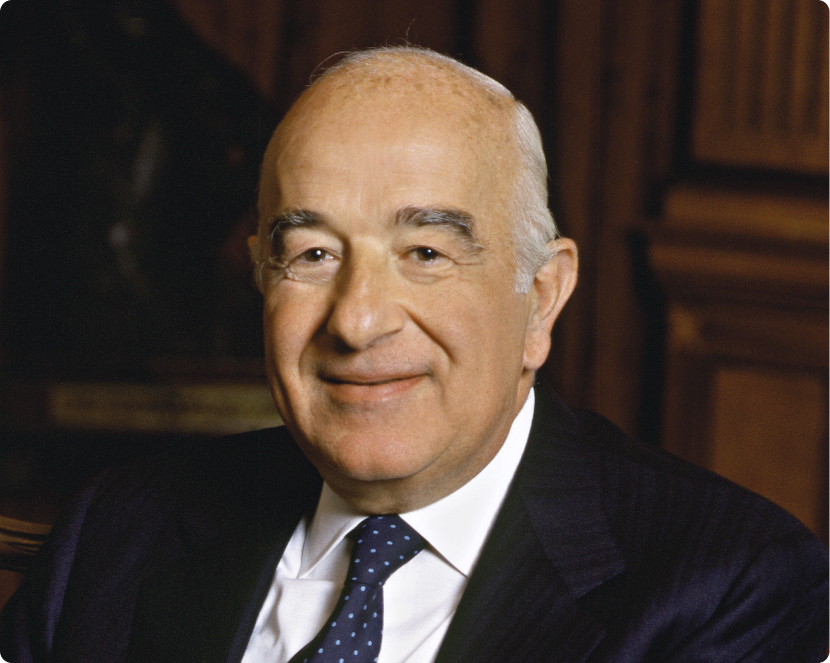
After his death in 1963, his sons elevated the family businesses into a global empire. Joseph Safra became one of the most prominent financiers of his generation, recognized for his risk aversion and tireless dedication, turning the family into a global benchmark in the financial sector, while his wife Vicky Safra played a vital role in supporting the family’s business and philanthropic initiatives.
To preserve this legacy, Joseph guided his children toward the financial markets and philanthropy until his passing in 2020.

A graduate of the Wharton School at the University of Pennsylvania, Alberto Safra began his career in 2003 working in the family businesses. In 2007, he took over the commercial bank in Brazil. Known for his ability to identify risks and manage crises swiftly, Alberto built a reputation for rigorous control over credit and financial operations.
In 2019, Alberto founded ASA, a financial institution that quickly expanded its operations with a focus on Investments, Corporate Banking, Private Banking, and Asset Management.
Beyond his work in the financial sector, Alberto is deeply dedicated to philanthropy, preserving his family’s legacy of community responsibility. In recent years, he has made it a personal priority to set aside regular time for Jewish study, cultivating a deep appreciation for Torah scholars. He is a strong supporter of philanthropic institutions worldwide, investing not only his resources but also his heart to ensure their continued growth and stability.


Usamos dados pessoais e cookies para analisar o uso de nosso site, direcionar conteúdos e anúncios personalizados e aprimorar a sua experiência. Ao continuar navegando, você concorda com a nossa política de privacidade e política de cookies.
The information contained in this website is for informational purposes only and does not constitute an investment recommendation or offer of investment funds or any securities by ASA.
ASA Asset 2 Gestão de Recursos LTDA. ("ASA") is duly authorized by the Comissão de Valores Mobiliários to carry out the activity of managing securities portfolios in the "asset manager" category, to distribute shares of the investment funds under its management, and to conduct the activity of coordinating public offerings. This website also contains a link to the page of third-party distributors duly contracted by the investment funds under management. The information, materials or documents made available here do not characterize and should not be understood as an investment recommendation, analysis of a security, promotional material, participation in any business strategy, solicitation/offer/sales effort or distribution of investment fund shares. indicated here. The information and materials do not constitute legal, accounting, regulatory, tax or any other advice in relation to investment alternatives and/or various matters contained in the documents. ASA is not responsible for errors, omissions or inaccuracies in the content of the information disclosed, nor for investment decisions made based on this website, either by the investor or by professionals consulted and/or contracted by him. Some of the information contained herein may have been obtained from market sources. Even with all the care taken in its collection and handling, ASA is not responsible for the accidental publication of incorrect data, or for any other errors, omissions or the use of such information. The information, materials or documents provided herein are for informational purposes only and do not consider investment objectives, financial situation or individual and particular needs of each investor, in addition to not containing all the information that a potential investor should consider or analyze before investing in an investment fund. Investors are advised to carefully read the regulations and other fund documents before investing. Investors should always base themselves exclusively on their opinion and on the opinion of specialized professionals hired by them to give their opinion and decide on the investments that best fit their profile, taking into account, above all, the applicable risks and costs. Investment funds may use derivative strategies as an integral part of their investment policy. Such strategies, in the way they are adopted, can result in significant equity losses for their shareholders, and may even lead to losses greater than the capital invested and the consequent obligation of the shareholder to provide additional resources to cover the fund's loss. Investment funds are not guaranteed by the fund manager, the portfolio manager, the custodian or any insurance mechanism or by the Fundo Garantidor de Créditos – FGC. There is no promise or guarantee of performance, and any reference to past or historical profitability does not represent a guarantee of future profitability. Returns are net of expenses, administration and performance fees and taxes. Some of the funds have less than 12 (twelve) months since launch. In order to evaluate the performance of a Fund, it is recommended to analyze at least 12 (twelve) months.
ASA is a foreign exchange correspondent of Ebury Bank, under the terms of Resolution No. 4935/2021 of the Central Bank of Brazil (BACEN). For more information about our partner, available services, customer service and ombudsman, visit the following link: https://br.ebury.com/

